
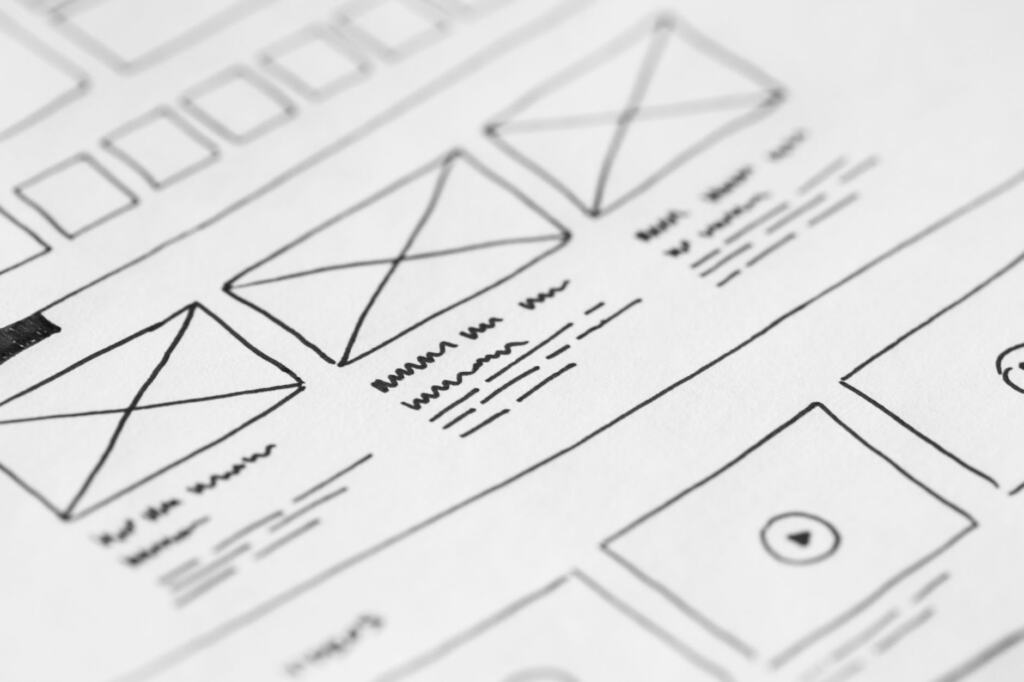
You have a puzzle idea but no plan. Here is how to design a puzzle game: choose a single foundational mechanic, write its rules down, test it on paper, then build a first playable and watch new players.
- Start narrow. Build the whole puzzle around a single mechanic before adding anything else.
- Prove the rule before the code. Write the goal and rules down and play them on paper first.
- Let players judge. Watch new players to see where they get stuck and where they find it easy.
This guide sits within the wider field of indie puzzle game development, and each section below works on its own if you arrive with a specific problem.
Choosing a core mechanic when you have nothing yet
The blank page is easiest to beat by choosing a mechanic, not a theme or a story. A mechanic is what the player does and how that action affects the world, and Inlingo Games’ puzzle-making guide calls mechanics the game’s main engine. The same guide defines puzzle games as a genre where solving tasks is the main gameplay element, through logic, observation or experimentation.
Picking the mechanic to build on
Choose mechanics that will act as the foundation of your project, as the Inlingo guide puts it. For a first game, that means a single action you can describe as a verb plus an effect, such as moving a piece and changing what the board allows next. If you need raw material to choose from, puzzle game mechanic ideas collects options to compare.
- Pick the mechanic you can explain in a sentence. If describing what the player does and what changes takes a paragraph, the mechanic is probably several mechanics.
- Sketch the loop. A game design document describes the core gameplay loop as the repeating sequence of actions a player performs each session, from the first input to the reward, according to Cubix’s guide to game design document formats. Write yours as a short sequence and check that your mechanic fits it.
Turning a mechanic into a puzzle with a goal and rules
A mechanic becomes a puzzle once it has a goal and rules that limit what the player can do. The Inlingo guide lists a clear goal as the first feature of a good challenge, so write the goal as a single plain sentence before anything else.
Then write the rules. Cubix describes the rules and systems section of a design document as the underlying logic that governs how mechanics interact, including win conditions, loss conditions, limitations and edge cases. The limitations are your constraints, and the edge cases are the odd situations you work through on paper so the rules do not contradict themselves later.
Testing the rule on paper first
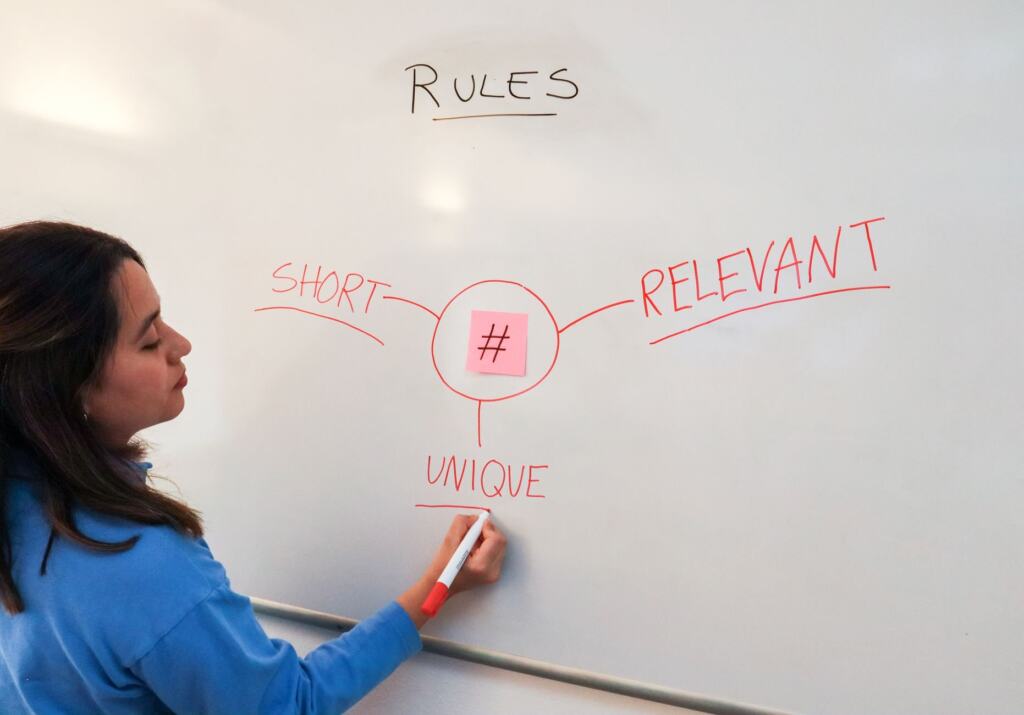
Before building anything, play the puzzle with cards, tokens or a hand-drawn grid. The aim is to find out whether the core rule produces interesting decisions, and a rule that fails here is far easier to change than a rule already wired into code.
Write each rule on a card or a margin note, move the pieces by hand and follow your own win and loss conditions exactly. Whenever you have to invent a ruling mid-game, add it to your rules, because that gap is an edge case you had not covered. Cubix notes that design documents should stay living documents, updated as the game moves through prototyping, testing and production, so record every change as you go.
Building a first playable and teaching through levels
Once the paper version holds up, build the smallest playable version that proves the mechanic. Level design is where a single mechanic becomes a game, and the Inlingo guide gives three principles for it: show, don’t tell; introduce new elements gradually; and reward ingenuity.
- Introduce elements one at a time. The guide warns against introducing everything at once, so give each new element its own early level where the player can discover it safely.
- Make the tutorial part of the game. Early levels should teach the rules through play instead of text screens.
- Reward clever solutions. A level that recognises an inventive answer tells the player that experimenting is worthwhile.
What makes a puzzle game good
A good puzzle game is challenging but not impossible, and it keeps players motivated through its hardest stretches. Inlingo states the first part directly: the game should be challenging, but not impossible.
On motivation, the same guide says rewards motivate players to continue and give meaning to even the most difficult levels. On craft, it says a good puzzle comes from repetition, meaning repeated rounds of testing and refinement. Treat the first version of any puzzle as a draft that players will help you correct.
Diagnosing a puzzle that feels too easy or too hard
You cannot judge difficulty from the designer’s chair, because you already know the answer. Put the playable in front of other people and watch where they get stuck and where they find it easy, which is the playtesting method the Inlingo guide recommends.
Use what you see to separate the common failures. The table below matches what you observe to a likely problem and a fix.
| What you see | Likely problem | What to do |
|---|---|---|
| Players guess at random | Important information is hidden, and a puzzle should not be a guessing game | Make the data players need visible or accessible |
| Players quit after one mistake | No room for trial and error | Add undo, restarts or hints |
| A stretch of levels feels repetitive | Levels repeat what came before | Give each new level something new to teach |
| Testers stall at the same spot | The challenge may have tipped from challenging into impossible | Revisit that puzzle’s setup, then test it again with fresh players |
These diagnostics follow the puzzle-design guidance in Inlingo Games’ step-by-step guide.
Fix one problem per round, then test with people who have not seen the puzzle. A tester who has already solved it can no longer show you what a first-time player experiences.
Recording decisions in a game design document
A game design document (GDD) is the single reference file that defines a game’s concept, mechanics, story, art, technical requirements and production plan, per Cubix. Unlike a pitch, it records how the game actually works, so it earns its place as soon as you have rules worth protecting.

For a puzzle game, the sections that matter most are the ones that hold your decisions from the earlier steps:
- Core gameplay loop. The repeating sequence of actions from first input to reward.
- Gameplay mechanics. The individual systems the player uses, such as movement or resource management.
- Rules and systems. Win conditions, loss conditions, limitations and edge cases from your paper test.
- Level design. Layout, pacing, challenges and objectives for each level.
- Difficulty curve. How difficulty rises across the game, including whether it scales or adapts to player performance.
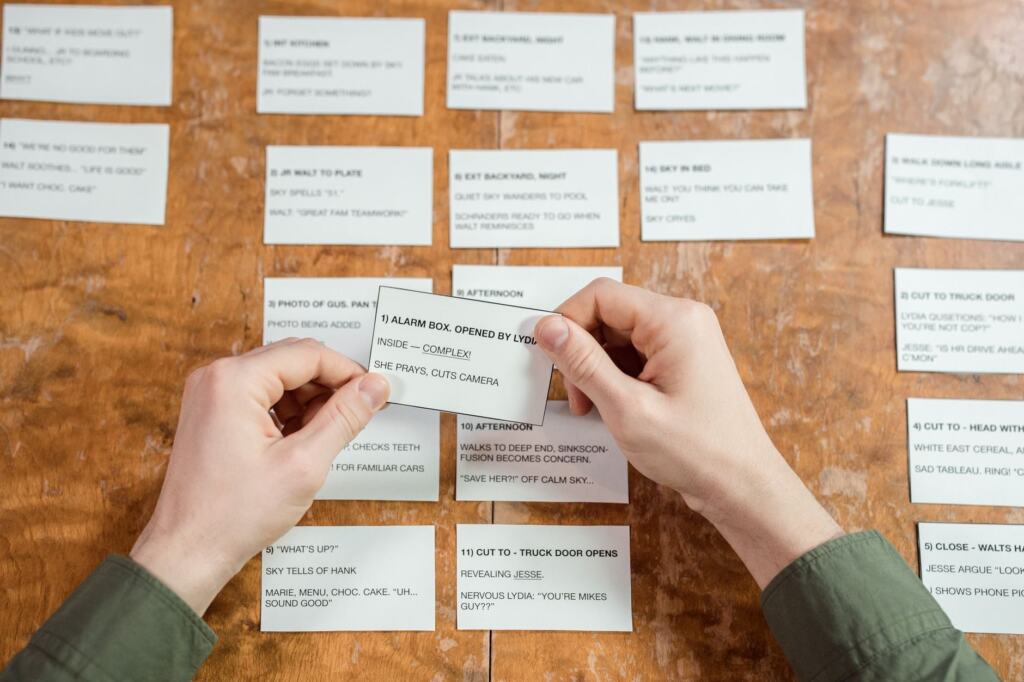
Cubix says a GDD typically runs from a two-page concept brief to more than 100 pages for a full production. A solo designer on a first puzzle game belongs at the short end, because the point is a record you will keep current. Cubix also warns that teams relying on memory and verbal agreements find both break down as a project grows, so write decisions down while the project is still small.

When the playable and the document agree, the next step is a public build. How to make a game demo covers how to turn what you have into something others can try.
Frequently asked questions
| Question | Answer |
|---|---|
| Is a game design document the same as a pitch deck? | No. According to Cubix, a pitch deck sells an idea, while a GDD documents how the game actually works. |
| Should my puzzle game use one type of puzzle or a mix? | Decide early, because the Inlingo guide treats it as a core choice that affects mechanics, level structure and difficulty. A single type keeps a first project focused. |
| Who should playtest my puzzle game? | Inlingo suggests showing the game to gamers, beginners and friends, so you can compare where each group gets stuck and where they find it easy. |
| How much playtesting do designers actually do? | It varies by project. A Hacker News comment about The Witness describes its playtesting as very small, about 5 or 6 days over 6.5 years of development. Treat that as one account, not a target. |